Bali — The Capital of Off-Plan Real Estate
Bali, the Island of the Gods and a true gem of Indonesia, has long ceased to be merely a tourist destination. Today, it increasingly appears on experts' lists as one of the most attractive places for real estate investment. The combination of unique nature, rich culture, tropical climate, and a dynamically developing economy creates unparalleled opportunities for generating stable income and multiplying capital.
Why is Investment Real Estate in Bali Profitable?
Bali's appeal to investors is driven by several key factors:
- Phenomenal Growth of the Indonesian Economy:
“Goldman Sachs analysts predict that by 2030, Indonesia will become the world’s fourth-largest economy, surpassing even Japan and Germany. “
This indicates a stable and favorable investment climate, which directly impacts the off-plan real estate market in Bali , making it one of the most attractive destinations for international investors seeking growth and long-term returns.
- Unceasing Tourist Flow: Bali welcomes millions of tourists from around the globe annually. In 2024 alone, the island hosted over 6.2 million international and approximately 9.4 million domestic tourists. This consistent demand guarantees high occupancy rates for rental properties, averaging 80-85%, which, in turn, ensures high rental income.
- Impressive Rental Yields: The average rental yield on Bali real estate can reach 17% annually, making it one of the highest in the global resort property market. Professional management companies ensure the high efficiency of this process, minimizing concerns for property owners.
- Significant Asset Appreciation: The annual growth in property values on the island averages 12-25%. This offers excellent prospects for profit from resale, especially when purchasing properties during the early stages of construction.
- Attractive Cost of Living and Tax Benefits: Operational costs in Bali are 3-4 times lower than in most European countries or the USA. The property tax is only 0.5%, and after five years of ownership, there is no capital gains tax, making investments in Bali even more profitable.
- Residency Prospects: Property owners can apply for simplified visa and residency programs, making Bali an ideal choice for those planning long-term stays or frequent visits.
- Developing Infrastructure: The island is actively building new transport arteries, modernizing ports (such as Gilimanuk Port), and planning the construction of a new international airport and railways. Infrastructure development, including major theme parks (like the one planned by Paramount Pictures), significantly enhances the investment appeal of various regions of Bali.
- No Distinct Seasonality: Due to its equatorial location, Bali enjoys over 300 sunny days a year with an average temperature of around 28°C. This ensures a steady flow of tourists year-round, minimizing the risks of an "off-season" for the rental business.
Types of Properties and Investment Strategies in Bali
Bali's real estate market offers a diverse range of properties to suit various investment goals:
- Apartments: Prices for studio apartments start from $59,000. This is one of the most popular and accessible formats for investors focused on stable short-term rental income. Apartments are versatile and can be used for both personal living and rental purposes.
- Townhouses: Townhouse prices start from $145,000.
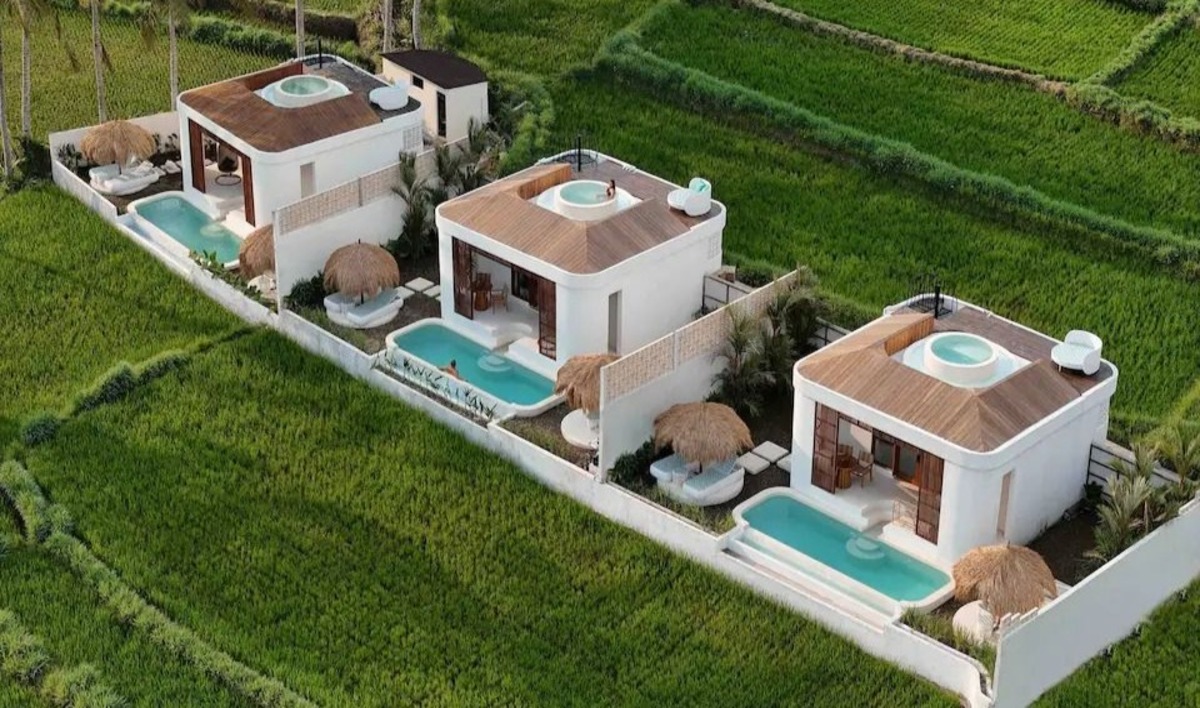
- Villas: Villa investments start from $215,000. Villas are highly sought after by tourists seeking privacy and comfort, which ensures stable and high rental income.
- Land Plots: Acquiring land plots, especially in developing tourist areas, is a lucrative long-term strategy, allowing for the construction of a property from scratch or profitable resale as land values appreciate.
The most sought-after investment strategies in Bali include:
- Early-Stage Purchase (Off-Plan): This strategy allows investors to generate profits of 30% to 50% as the property value increases during its construction phase. Early investment also provides the opportunity to choose the most attractive locations and deal terms.
- Investing in Ready-to-Rent Properties: Thanks to the high tourist flow, ready properties provide consistent rental income of up to 17% annually. Efficient property management ensures stable profits.
- Flipping: Acquiring properties that require renovation or upgrades with the goal of quickly reselling them at a higher price. This strategy can yield significant returns in a short period.
- Development: Investing in the construction of villa or apartment complexes can generate high profits, potentially exceeding 35% annually over a 2-year project.
- Investing in Management Companies: Placing funds into companies that lease properties long-term and then rent them out on a daily basis can bring investors 35-40% annual returns.

Choosing a Location: Key to Investment Success in Bali
Each area of Bali possesses its own unique character and investment potential:
- Ubud: The cultural and yoga hub, ideal for those seeking tranquil retreats, meditation, and solitude amidst rice terraces. Investments in Ubud are geared towards cultural tourism and long-term rentals.
- Bukit: A peninsula known for its luxurious ocean-view villas, developed infrastructure, international schools, and modern medical centers. It attracts those who appreciate comfort and a resort atmosphere.
- Canggu: A popular spot among freelancers, digital nomads, and surfers, characterized by an atmosphere of freedom, creative energy, and networking opportunities. There is high demand for modern housing and short-term rentals here.
Choosing the right location that aligns with investment goals is crucial for maximizing profitability.

Property Ownership Rights for Foreign Investors in Bali
The Indonesian real estate market has specific regulations for foreign investors. Direct land ownership for foreigners is not permitted by law. However, foreign investors can acquire property through a long-term land lease — the Leasehold system.
Typically, such leases range from 25 to 30 years, with the possibility of subsequent extensions, bringing the total term up to 80 years.
It's important to note that Leasehold ownership allows for the sale of the property immediately after purchase, providing investors with flexibility in managing their assets.
Many investors successfully employ a strategy of purchasing properties with a 5-8 year lease, followed by resale and reinvestment into new projects. To ensure the legal security of the transaction and guarantees for lease extensions, it is crucial to meticulously prepare all documents and consult with experienced local legal professionals.
Bali continues to strengthen its position as one of the leading destinations for real estate investments globally. The consistent growth in tourist arrivals, a favorable economic climate, high potential for returns, and developing infrastructure make the island exceptionally attractive for investors looking to preserve and grow their capital.
Other Posts
 15 SepTop 5 Districts for Real Estate Investment in BaliDiscover which areas of Bali offer the highest potential for rental income, comfort, and capital growth.Read More
 05 AugBali Real Estate Market Forecast for the Next 10 YearsForecast of Bali’s real estate market to 2035: price growth, shift from villas to apartments, rising demand, stricter rules, and key investment trends.Read More
 10 JulLegal Guide to Buying Off-Plan Property in BaliLearn the legal aspects of investing in off-plan property in Bali: leasehold vs freehold, PT PMA setup, taxes, licenses, and how due diligence reduces risks.Read More
 11 MayHow to Choose a Reliable Developer in BaliA step-by-step guide to selecting a developer in Bali: how to check licenses, land legal status, documents, experience, construction quality, and avoid risks.Read More