Bali Real Estate Market Forecast for the Next 10 Years
Bali, the jewel of Indonesia and a global magnet for tourists, has long ceased to be just a holiday destination. Today, it's evolving into one of Southeast Asia's most dynamic and promising real estate markets. Indonesia's economic stability, the sustained growth in both domestic and international tourism, and active infrastructure development are laying a solid foundation for confident growth over the next decade.
In this article, we'll forecast the development of Bali's real estate market until 2035 and highlight the key trends that will shape new opportunities for investors.

Sustained Growth in Property Value
The average annual growth in Bali property prices is projected to be 6–10%, varying by location and property type. Key growth factors include:
- Land scarcity in popular areas: Canggu, Berawa, Umalas, and Pererenan, where available plots are becoming rare.
- Rising rental demand: Compact investment properties, such as apartments and townhouses, are generating particular interest.
- Inflation and increasing construction costs: These will also push prices upwards.
The Rise of Apart-Hotels and the Maturation of the Off-Plan Market
The next 10 years will be a golden era for managed apartment formats (apart-hotels). These properties offer high earning potential, combining ownership, service, and professional management.
Off-plan projects (under construction) will remain a crucial entry point for investors, especially at early stages. However, investor requirements will become more stringent:
- Mandatory PBG / IMB permits: Ensuring all necessary building permits are in place.
- Transparent land status: Clear and verifiable land ownership.
- Experienced developer: A proven track record of successfully completed projects.
- Fair contractual terms: A clear and equitable contract framework.
Unprofessional teams will be pushed out of the market, leading to a more reliable investment environment.
Digitalization of Transactions and Remote Investments
By 2030, up to 40% of real estate transactions could occur entirely online. This trend, already gaining momentum, will be bolstered by:
- Virtual tours and 3D models.
- Digital signatures.
- Online project presentations.
- Potential adoption of NFT certificates, simplifying property ownership.
Remote investing will become the standard, especially for international buyers.
Geographical Shift in Demand: New Growth Hotspots
Investment interest will gradually extend beyond Canggu and Seminyak. The following areas will come to the forefront:
- Pererenan and Umalas: These offer more affordable alternatives with active development and evolving infrastructure.
- Uluwatu and South Bukit: A premium segment with ocean views and demand for luxury rentals.
- Ketewel, Sukawati, Selatan: A new wave of accessible locations with high long-term potential.
- Ubud: A stable destination for eco-retreats and wellness tourism.
Tourism and Domestic Market: Key Drivers
Bali hosted over 10 million tourists in 2024, and the Indonesian government plans to increase this to 15–18 million per year by 2030.
The domestic market is also growing, with an increasing number of Indonesian middle-class citizens purchasing holiday homes, rental properties, or "second homes." This dual demand—from tourists and locals—provides a reliable foundation for stable returns.

Stricter Regulations and Increased Transparency
By 2030, the market is expected to become more regulated and secure:
- Mandatory licensing for short-term rentals: Requiring NIB registration and strict tax reporting.
- Potential capital gains tax on property resales: Leading to greater standardization and financial transparency.
- Increased oversight of developers: Only projects with proper permits and clear land titles will be allowed to proceed.
These measures, while potentially raising the entry barrier for "grey schemes," will ultimately make the market more transparent and safer for serious investors.
Growing Importance of Professional Management
With tightening regulations and investors seeking passive income, professional property management will become an integral part of the investment strategy. Operators with transparent reporting, efficient booking systems, and compliance with all regulations will be in high demand for both short- and long-term rentals.
For off-plan projects, the presence of a reputable management company will be a crucial factor in investor trust and sales.
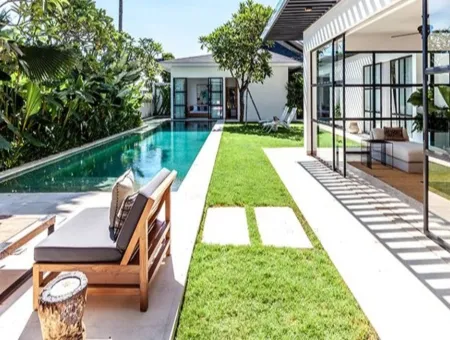
Format Shift: From Villas to Investment Apartments
While villas dominated the Bali investment property landscape 5–10 years ago, the next decade will see a significant shift towards apartments and townhouses. This is due to changes in demand, increasing density, and a greater emphasis on investment efficiency.
Why apartments are trending:
- Lower entry barrier: Apartments are significantly more affordable than villas, making them accessible to a wider range of investors.
- Higher profitability: Apartments are easier to fill, especially in high-traffic tourist areas, and management companies can optimize occupancy through online platforms.
- Compactness and manageability: Lower maintenance costs, reduced utility expenses, and easier repairs.
- "Apart-hotel" format: Many projects offer turnkey services – including reception, housekeeping, marketing, and bookings – making the property a full-fledged income-generating asset.
- Liquidity and exit strategy: Apartments are easier to resell, especially in high-traffic tourist and rental locations.
What this means for investors:
- 1BR / 2BR managed apartments will dominate the market.
- Villas will remain in the premium segment, but mass investment demand will focus on compact residential complexes with modern infrastructure.
This transition reflects a global trend: investors are seeking models with minimal effort and maximum efficiency, and the Bali market is poised to deliver just that – provided the right location, developer, and management operator are chosen.
Bali's real estate market is entering a phase of maturity. Prices will continue to rise, but within a more controlled and professional environment. Successful investors will be those who:
- Enter at an early stage at a fixed price.
- Choose projects with full legal transparency.
- Collaborate with reliable developers and management.
The period from 2025 to 2027 presents a unique window of opportunity for those looking to invest in a rapidly growing market, minimizing risks and building a foundation for stable income for 10+ years.
Other Posts
 24 SepBali — The Capital of Off-Plan Real EstateBali is one of the most profitable destinations for off-plan real estate in 2025.Read More
 15 SepTop 5 Districts for Real Estate Investment in BaliDiscover which areas of Bali offer the highest potential for rental income, comfort, and capital growth.Read More
 10 JulLegal Guide to Buying Off-Plan Property in BaliLearn the legal aspects of investing in off-plan property in Bali: leasehold vs freehold, PT PMA setup, taxes, licenses, and how due diligence reduces risks.Read More
 22 JunYield Comparison: Villas, Apartments, and Townhouses in BaliWhat should an investor choose in 2025: a villa, an apartment, or a townhouse? A detailed analysis of real estate formats in Bali – comparing profitability.Read More